“Reflections on the Hayling Island Elections: Navigating Challenges, Embracing Change, and a Commitment to Community”

“Reflections on the Hayling Island Elections: Navigating Challenges, Embracing Change, and a Commitment to Community”

Looking Back / Looking Forward

As we sit down to reflect on the recent local elections in Havant Borough, we can’t help but feel a mix of emotions. While we are undoubtedly disappointed to have lost our seats as Conservative councillors, we are also grateful for the opportunity to have served our community and to have been a part of the democratic process

The campaign leading up to the elections was unlike any other we’ve experienced. The atmosphere was tense, and unfortunately, it often descended into bitterness and negativity. As candidates, we were bombarded by what seemed like an endless stream of vitriol from keyboard warriors hiding behind their screens. It’s disheartening to see how discourse in politics has shifted towards personal attacks rather than constructive dialogue.

Despite the challenges, we are proud of the campaign we ran. We worked tirelessly to engage with voters, listening to their concerns and advocating for policies that we believe would benefit our community. While the outcome may not have been what we hoped for, we take solace in knowing that we fought with integrity and conviction.

The results, with the Liberal Democrats gaining a majority in West Hayling and Labour and Green making gains in East Hayling, serve as a reminder of the ever-shifting landscape of politics. Change is inevitable, and while it may be difficult to accept at times, it is also a testament to the strength of our democracy. However, it’s important to note that the absence of Labour candidates in West Hayling and the lack of Liberal Democrats in East Hayling deprived voters of their democratic right to choose from all parties, highlighting the need for broader representation.

As we look to the future, we are filled with optimism. While our times as a councillor may have come to an end, our commitment to serving our community remains unwavering. We congratulate the newly elected councillors and hope that they will govern with wisdom and compassion.

In closing, we want to express our gratitude to all those who supported us throughout this journey. Your encouragement and belief in us meant the world, and We are truly humbled by your unwavering support. While this chapter may be over, we are excited to see what the future holds and are confident that together, we can continue to make a positive difference in the lives of those we serve.

Brenda Linger                                            Julie Richardson
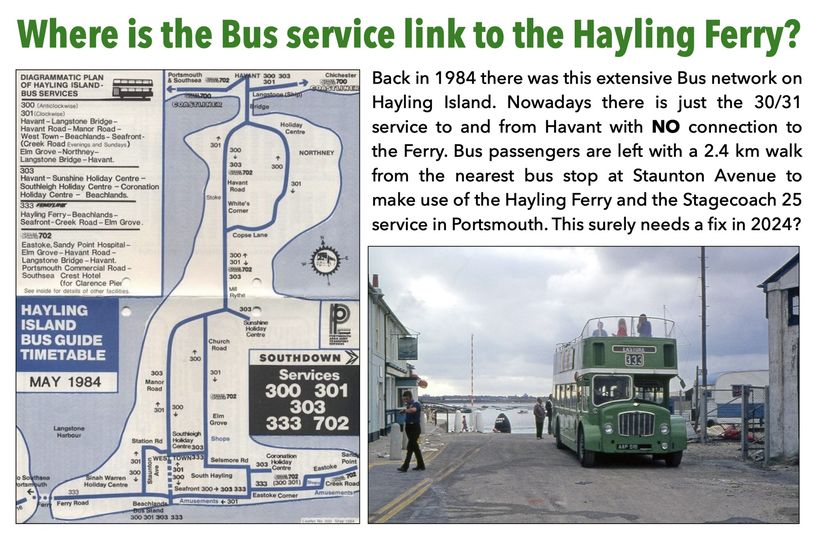
The Hayling Ferry Connection – Bridging the Gap with a Bus!”

The lack of a direct bus connection to the Hayling Island Ferry leads to detours and frustrates commuters. Introducing a dedicated bus service would ease daily commutes, attract more tourists, reduce carbon emissions, and alleviate traffic congestion. Support the petition for a bus service to unlock these benefits and improve transportation infrastructure.

The Hayling Ferry Connection – Bridging the Gap with a Bus!”

Sign the petition for a direct bus! – Click on the Link to sign https://chng.it/T8B62bWLYT

Commute Convenience: The lack of a direct bus connection to the Hayling Island Ferry can mean detours and frustrating journeys. Introducing a dedicated bus service would significantly ease the daily commute for residents, providing a reliable and efficient transportation option to connect with the ferry .

Tourism Boost: Hayling Island is a gem, however, the absence of convenient public transportation options may deter tourists from exploring its treasures. By facilitating easy access to the ferry via a bus service, we can attract more visitors, stimulating the local economy and support businesses on the island.

Environmental Impact: Embracing sustainable transportation solutions is crucial in our fight against climate change. A bus service for the Hayling Island Ferry would encourage more people to opt for public transport instead of relying on their cars, reducing carbon emissions and promoting a cleaner environment.

Relief from Traffic Jams: Traffic congestion on and off the island is a persistent issue that affects residents and visitors alike. Introducing a dedicated bus service can help alleviate this problem by offering an alternative mode of transportation, thereby reducing the number of vehicles on the road and easing traffic congestion.

How You Can Help: Your support is instrumental in making this vision a reality. By signing the petition advocating for a bus service to the Hayling Island Ferry, you can amplify our collective voice and demonstrate the strong community demand for improved transport infrastructure. Together, we can try to persuade Stagecoach to prioritise this initiative and unlock a host of benefits for everyone involved.Join Us Today: Let’s come  – Sign the petition, and spread the word among your friends and neighbours. Together, we can make a difference and ensure that everyone can enjoy seamless travel experiences while preserving our precious environment

Navigating Hampshire’s Council Services Made Effortless: A Closer Look at OurHants App

In an era where convenience is king, Hampshire County Council unveils its latest innovation – the OurHants App – designed to streamline and enhance your interactions with council services. With user-friendly features, this digital solution offers benefits that promise to make your life easier.

Effortless Task Management Say goodbye to lengthy queues and time-consuming processes. OurHants allows you to reduce wait times and make the entire experience more time-efficient. Now, you can focus on what matters most to you, leaving the hassle of council tasks behind.

Navigate the Hampshire County Council website with unprecedented ease. OurHants provides a seamless gateway to the council’s online resources, ensuring that you can access information and services effortlessly. Stay informed and engaged without the frustration of complex navigation.

Designed with simplicity in mind, the OurHants App boasts an intuitive interface, making it accessible to users of all ages and tech backgrounds. No more struggling to figure out complicated processes – the app’s straightforward design puts you in control from the moment you launch it.

The initial version sets the stage for future developments

“From Voice to Victory: The Power of Consultation Forms in Supercharging Petition Efforts”

https://www.hants.gov.uk/aboutthecouncil/haveyoursay/consultations/future-services-consultation

In November 2023 Hampshire County Council agreed new financial strategy and budget measures, following public consultation on a range of options. These require savings of at least £132 million by April 2025 to help meet the expected budget shortfall.

The service change proposals outlined within this consultation would contribute around £17.5 million in total towards these savings, while ensuring that we continue to meet the statutory duties which we are required by law to carry out.

As Hayling Island Conservative Councillors, we do not wish to see the closure of Hayling Recycling Centre. However, engaging in a Hampshire County Council’s consultation and filling out the consultation form before starting a petition is crucial for several reasons: –

  1. Informed Decision-Making:
  1. The consultation form will include detailed information regarding the proposed cutbacks, their impact, and the reasoning behind them.
  2. Filling out the form allows residents to make informed decisions about whether they support or oppose the proposed cutbacks based on comprehensive information.
  3. Understanding the Issues:
    • This consultation process provides all residents an opportunity to understand the challenges and constraints faced by local government.
    • In completing the consultation form, individuals gain insights into the factors influencing the proposed cutbacks, creating a greater understanding
  4. Structured Feedback:
    • Consultation forms are designed to gather specific feedback on various aspects of the proposed changes.
    • The form provides a structured way for residents to express their concerns, suggestions, and alternative solutions, ensuring that their input is relevant to the decision-making process.
  5. Community Unity:
    • Encouragingthe community to participate in the consultation process fosters a sense of unity and shared purpose.
    • When residents collectively engage in providing feedback, it strengthens the community’s voice and increases the chances of influencing decisions in their favour.
  6. Building a Case:
    • A filled-out consultation form serves as evidence of public sentiment, it is tangible data on the level of opposition or support for proposed cutbacks.
    • This data can be valuable when building a case against the cutbacks or advocating for alternative solutions during public hearings or meetings.
  7. Increased Credibility:
    • Decision-makers may be more likely to consider and act on a petition if it is accompanied by a record of active participation in the official consultation process.
    • Filling out the consultation form enhances the credibility of the petitioner and their cause.
  8. Legal and Official Recognition:
    • Petitions are more likely to be taken seriously by local authorities if they are accompanied by a well-documented consultation response.
    • A completed consultation form demonstrates that the petitioner has actively engaged in the official process, which can add weight to their concerns when presenting them to decision-makers.

In summary, completing the local government consultation form before starting/signing a petition is a strategic and essential step in advocating for community interests. It ensures that residents are well-informed, engaged in the official process, and equipped with relevant information when making their case against proposed cutbacks.

Natural England: We’ll support appropriate Langstone Mill Pond works

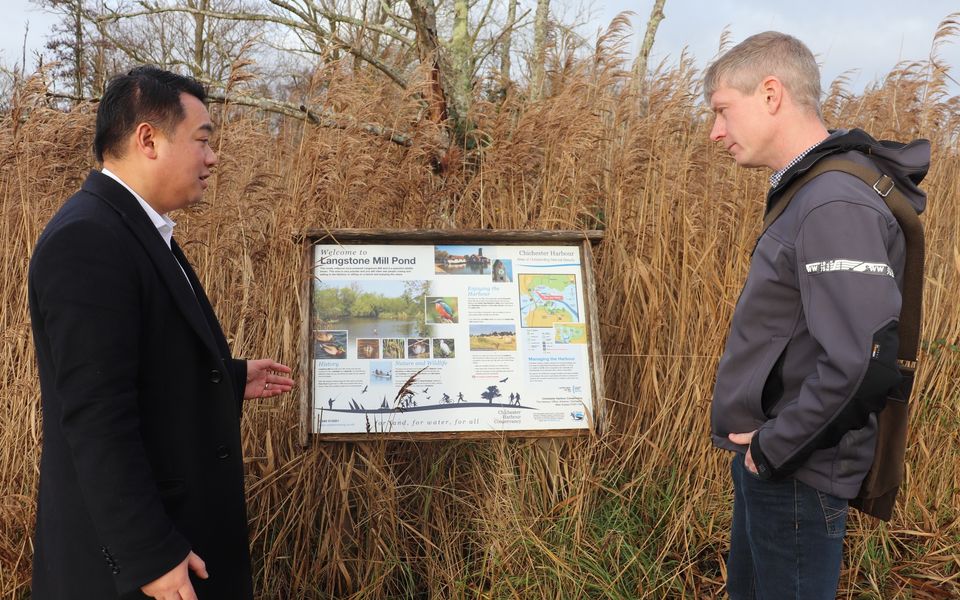
The MP also praised the environmental advisor’s commitment to the area following a visit to Langstone by a top official from the agency.

Senior Natural England official Graham Horton said: “If local decision-makers can formally agree on an appropriate scheme of engineering works that recognises the environmental sensitivities in this area, Natural England will support appropriate works to protect Langstone Mill Pond and nearby sea defences whilst maintaining an access route for walkers.”

Mr Mak said: “I’m delighted to have received Natural England’s advice and support for an appropriate approach to works around Langstone Mill Pond following the visit.

“Natural England plays an essential role in protecting our local environment and is a valued partner”.

“I’m grateful for its expertise, commitment and help to make progress on this issue, which I’ve been working on for much of this year”.

Advocacy for Community Preservation Mr Mak’s Year-long Efforts to Safeguard the Mill Pond and Surrounding Assets has championed the views of local residents and community groups and called on key local decision-makers to work together to come up with a solution to protect the Mill Pond and neighbouring assets such as the nearby footpath.

Navigating Complexity: Challenges in Land Ownership, Local Governance, and Decision-Making in the Area more difficult as there are a high number of local bodies that have differing decision-making responsibilities in the area and the current lack of agreement about the way forward.

Chichester Harbour Conservancy has legal responsibility for managing the Harbour, which includes the Mill Pond and surrounding area. Natural England is an advisory body on environmental and nature issues and provides insight and advice to decision-makers at the Conservancy.

The Conservancy’s Board and officers review and approve applications for repair works in and around the Harbour.

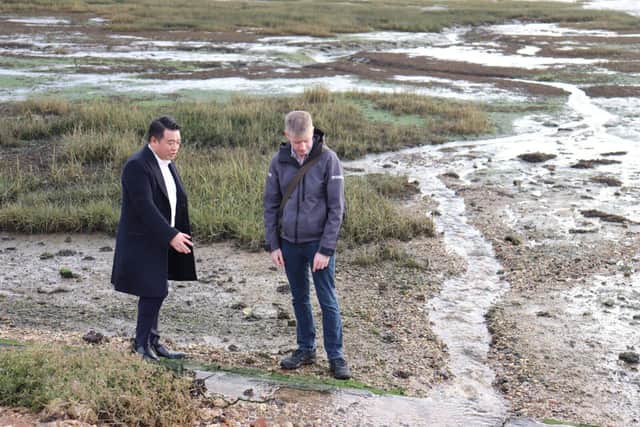
Mr Mak recently secured the visit from senior Natural England official Graham Horton to inspect the Mill Pond, nearby sea defences and the footpath that provides access from Wade Lane.

Mr Horton confirmed that if local decision-makers can formally agree on an appropriate scheme of engineering works, Natural England would support the protection of the Langstone Mill Pond, the repair of a nearby sea wall and the maintenance of the footpath.

Whilst Mr Mak is not himself a decision-maker, he has been working on this issue for most of 2023 and has secured the agreement of all key decision-makers to attend a meeting he will chair in the first quarter of 2024.

Mr Mak said he hopes his high-level meeting bringing together these various bodies will reach an agreement on a way forward and an appropriate action plan, and formally agree on an appropriate scheme of engineering works in 2024.”

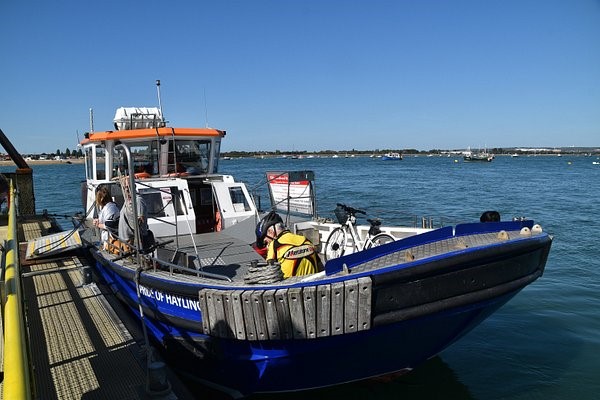
Much Loved Hayling Ferry is a key part of the community.

See Page 22 of the latest edition of the Hayling Herald. The article gives the background to the Hayling Ferry and the issues it has faced over the last few years, and the hopes for the future https://www.haylingherald.co.uk

However the history of the Haying Ferry is worth a look:

  1. Early Beginnings: . The Hayling Ferry has a rich history operating between Ferry Point Hayling Island and Eastney Point Portsmouth, for at least 200 years.  Rights to run a ferry belonged to the Lord of the Manor of Hayling Island, the Dukes of Norfolk, it was a crucial link for residents of Hayling Island, providing a means of transportation to the mainland.
  2. Development in the 19th Century: With the growth of population and increased economic activity in the 19th century, the demand for reliable transportation between Hayling Island and the mainland intensified. This led to the establishment of a more organized and regular ferry service during this period.
  3. Role in Wars: Particularly in World War II, the Hayling Ferry played a strategic role in transporting military personnel and supplies. The harbour, where the ferry operates, was an important location during wartime, and the ferry service contributed to the war effort.
  4. Evolution of Technology: Over the years, the Hayling Ferry has evolved in terms of technology and infrastructure. From traditional rowboats and sailboats, the ferry service transitioned to more modern motorized vessels, improving efficiency and capacity.
  5. Community Importance: The Hayling Ferry has become an integral part of the local community’s identity. It not only serves as a practical means of transportation but also holds cultural significance, connecting residents to their heritage and fostering a sense of belonging.
  6. Challenges and Changes: Like many ferry services, the Hayling Ferry has faced challenges over the years, including changes in ownership, fluctuations in demand, and the need to adapt to changing regulations. However, the ferry has persevered and continued to provide an essential link between Hayling Island and the mainland.
  7. Tourism and Leisure: In addition to serving the local community, the Hayling Ferry has become a point of interest for tourists and leisure seekers. The scenic view across the Solent offers picturesque views and a unique experience for those visiting the area, it is popular with both foot passengers and cyclists alike.

Today, the Hayling Ferry stands as a testament to the historical significance of maritime transportation in connecting communities and facilitating trade and travel. Its continued operation reflects both the resilience of the ferry service and its importance in the lives of the community it serves.

https://hayling.co.uk/history/the-hayling-ferry/

/

West Beach Car Park – A Balancing Act

West Beach

default

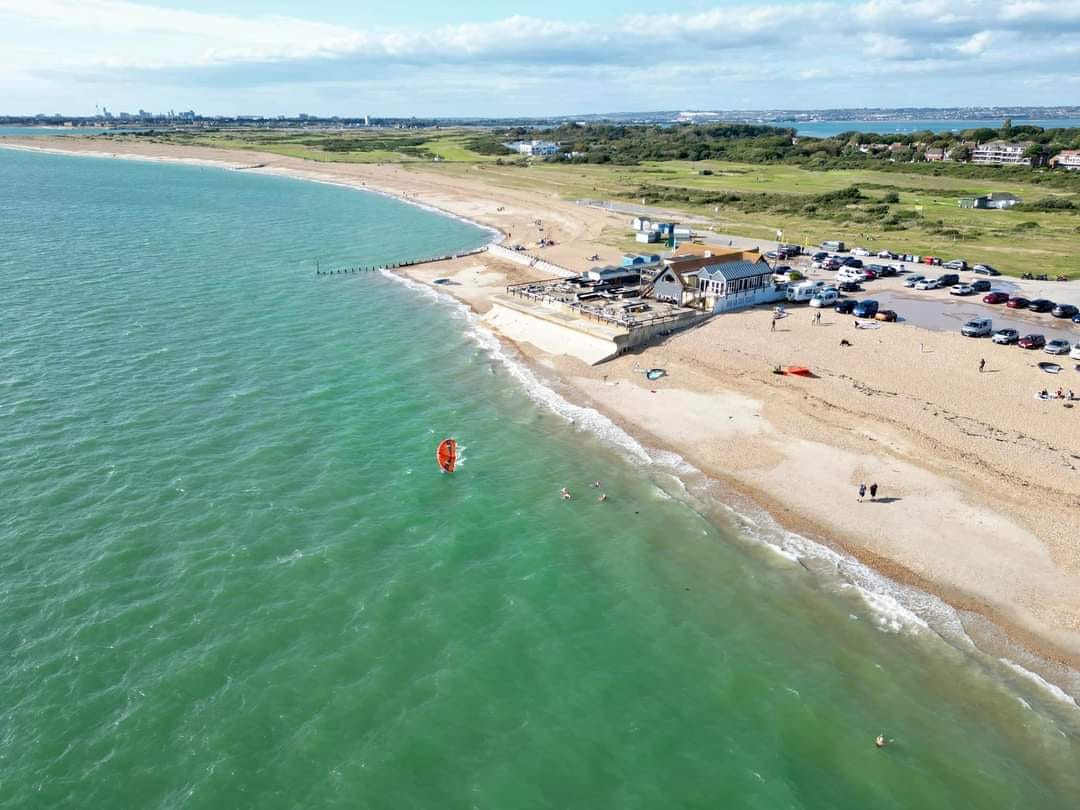
West Beach Car Park has a long and complex history, first opened in the 1950s to provide parking for visitors to the popular beach. Over the years, the car park has been expanded (at one time approx. 700 spaces) and improved to accommodate the increasing number of visitors to the island. West Beach timeline interesting history: https://coastalpartners.org.uk/project/brief-overview-of-west-beach/

In November 2022, a major storm caused significant damage to the sea defences at West Beach. The storm also washed away a large section of the car park. Havant Borough Council (HBC), the local authority responsible for the car park, made the decision to close the car park for safety reasons.

Tourists have always been welcome on Hayling and HBC recognises their significant contribution to the local economy, not only has this suffered through the loss of the car park, in addition HBC has had a major loss of revenue.  

West Beach does not attract government funding (Environment Agency) for improved sea defences as it does not protect housing and people. However, the council has been working on a solution for the car park. This has been made more difficult by a number of factors that had to be considered, including the environmental impact of any new development, the needs of local residents and businesses, and the cost of any new development.

On August 1, 2023, after a final go-ahead from Natural England the West Beach Car Park on Hayling Island was partially reopened to the public.  Located behind a height restriction barrier accommodating up to 47 vehicles. This additional parking was seasonal basis (May to September) to ease some of the parking pressures on the island, particularly during the summer months.

This area of Hayling Island beach is designated as Site of Special Scientific Interest (SSSI) and HBC negotiated long and hard with Natural England to allow us to use this piece of land for car parking for 47 vehicles. The land could not be prepared as is the case with other designated car parks it had to remain natural except for some demarcation posts.

Following heavy rainfall and or storms when the ground became waterlogged, the car park had to be closed periodically to stop cars getting stuck. You will remember that August was particularly wet.

As winter approaches there has already been some stormy wet weather. If there is similar weather as has been experienced in the last few years with increased storms, it is highly likely that this car park will cease to exist for next season.

The situation is really frustrating to all parties, local residents, tourists, Hayling Councillors and HBC but due to the constraints placed on the council by Natural England and the decision made by HBC to allow West Beach to evolve naturally following the removal of failing sea defences, there is nothing else that can be done at this time.

HBC together with Coastal Partners must use their resources to protect property and business in the more heavily populated area of Eaststoke and South Hayling.  The 38km of Hayling Island coastline is constantly evolving and as such is under constant review by coastal engineers. The Hayling Island Coastal Strategy can be viewed on HBC website it is an extremely interesting and easy-to-follow document if you have some spare time. It certainly gives perspective to the challenges that Hayling faces in terms of rising sea levels and climate change. (Links below)

West Beach Maintenance — Coastal Partners   west-beach-update-march-2021.pdf (coastalpartners.org.uk)

https://coastalpartners.org.uk/project/history-of-west-beach-faqs/

£600,000 for Billy Trail Upgrade – Winter 2023

The Hampshire County Council is investing £600,000 to create a new cycleway/footpath along The Billy Trail from the bridge to ESSO Beach on the Hayling Billy Coastal Path. This project is funded by a government grant for Active Travel and is expected to be completed by next year’s holiday season. It is part of Councilor Lance Quantrill’s proposals to improve local travel infrastructure.

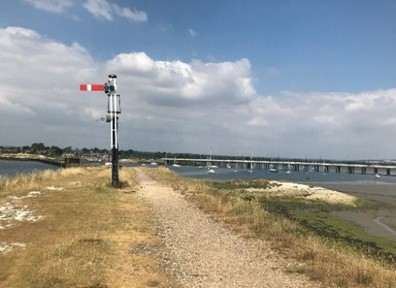
Top End of Hayling Billy Line Hayling Island near the bridge

The Hayling Billy Coastal Path is a track used by walkers, cyclists and horse riders along the bed of the old railway line between Havant and Hayling Island

£600,000 is being invested by Hampshire County Council (HCC) to create a new cycleway/footpath along The Billy Trail from the bridge to ESSO Beach for cyclists and walkers.

Surveying has just been completed this Autumn and, subject to weather conditions, work is scheduled to be finished in time for next year’s holiday season.  

In addition to a new hard surface, there will be a soft path for horses.

It is hoped that cyclists, from those with £3,000 road/racer machines to rugged off-road bikes, will be encouraged to leave the Havant Road to vehicle drivers, who will not then need to overtake on the ESSO straight.

Funding for the scheme has come in the form of a government grant for Active Travel, which means that Residents’ Council Tax will not be diverted to this project.

This is one of the 12 proposals Lance Quantrill, Hayling Island’s County Councillor, submitted for HCC’s Local Cycling and Walking Infrastructure Plan and Local Travel Plan 4.  For more details of his 12-point-plan contact Lance via office@havantconservatives.com or call 02392475066

“Navigating the Silence: The Intricacies of Councillor Abstention”

“Decisively Undecided”

In summary, local councils are essential in facilitating local governance, addressing the specific needs of communities, and ensuring that decisions made at the local level are reflective of the desires and priorities of the residents. Their impact is felt directly in the quality of life and the overall development of the communities they serve.

In the world of local councils, decisions often hang in the balance, awaiting the stamp of approval or dissent from elected local councillors. However, among the deliberations and debates, there is a curious phenomenon:-

So let’s look at the intriguing practice of local councillors abstaining from voting, shedding light on the reasons behind this often enigmatic choice and the impact it has on communities and the decision-making process.”

  1. Responsibility and Accountability: Local councillors are elected to represent their constituents and make decisions on their behalf. Abstaining from voting means they are not fulfilling their duty to make decisions in the best interests of the community. This can lead to a lack of accountability for their actions or inaction.
  2. Wasted Representation: When councillors abstain from voting, it effectively means that the people they represent are not being heard or represented in that decision-making process. This undermines the democratic system and can lead to disenfranchisement among constituents.
  3. Ineffective Governance: Abstentions can result in tied votes or a lack of quorum, which can lead to delays in important decisions and hinder effective governance. Local councils and external bodies rely on their members to actively participate in the decision-making process to function efficiently.
  4. Missed Opportunities: Abstaining from votes means missing the opportunity to influence or shape policies and decisions that may have a direct impact on the community. It also means missing the chance to advocate for the interests and needs of their constituents.
  5. Perceived Lack of Commitment: Abstaining too frequently can lead to a perception that the councillor lacks commitment or is disinterested in their role. This can erode trust among constituents and fellow councillors.
  6. Conflict of Interest: In some cases, councillors may abstain due to conflicts of interest. While this is generally considered acceptable and ethical, councillors should properly declare and manage conflicts of interest rather than simply abstaining without explanation.
  7. Failure to Provide Leadership: Councillors are expected to provide leadership and make difficult decisions, even if those decisions are unpopular. Abstaining may be seen as an unwillingness to take a stand or provide direction to the community.
  8. Wasted Resources: The process of convening meetings, preparing for votes, and conducting discussions consumes time and resources. Abstaining without a valid reason can be seen as a waste of these resources.

It’s important to note that there can be legitimate reasons for abstaining from a vote, such as a conflict of interest or a genuine belief that one cannot make an informed decision on a particular issue. In such cases, councillors should clearly state their reasons for abstaining to maintain transparency and accountability.

Overall, while there may be situations where abstention is necessary, it should be the exception rather than the norm, and councillors should exercise their voting responsibilities diligently to ensure that they fulfill their roles as representatives of the community. It involves a commitment to transparency, ethical decision-making, and ongoing engagement with the community.

Balancing Act: The Challenges of Being a Local Councillor and Serving on an External Board

Introduction – Local councillors play a crucial role in shaping their communities, advocating for residents, and making decisions that impact their local areas. However, when they are appointed to serve on external bodies or boards, it can become a delicate balancing act between political responsibilities and their duty to work for the external board without any political bias. We thought it worthwhile to explore the difficulties faced by local councillors when they take on these dual roles and the importance of maintaining impartiality in external appointments.

The Role of a Local Councillor – Local councillors are elected representatives who work to address the concerns and needs of their constituents on a whole range of matters; we serve as a bridge between the community and the local government, Havant Borough Council is made up of 38 councillors. Councillors are democratically accountable to the residents of their ward including those who did not vote for us.

External Appointments: A New Challenge – Local councillors are sometimes selected to serve on external bodies or boards, such as non-profit organizations, advisory committees, or even corporations; in the case of Havant the Langstone Harbour Board Membership of the Board is made up of:

  • 6 councillors from each of the two local authorities, Portsmouth City Council and Havant Borough Council,
  • 1 councillor from Hampshire County Council
  • 2 members of the Advisory Committee representing a wide range of Harbour stakeholders.

The Board meets 5 / 6 times every year. The programme of meetings, minutes and papers are published on the LHB  website. The Board responsibilities are wide ranging (https://www.langstoneharbour.org.uk/board-responsibilities)

OPEN PORT DUTYCONSERVANCY DUTY
General Duty to Ensure Safe &  Efficient Port Marine OperationsStakeholder Engagement Responsibility
Civil Contingencies & Port Security DutyRESPONSIBILITY FOR REVISING DUTIES AND POWERS
Financial ResponsibilityEnvironmental Duty
Responsibility to Promote & Improve the Harbour as an Asset

The appointment of councillors to external bodies poses a concern in that it can lead to frequent turnover in council representation, e.g. during election cycles (some councillors losing their seats and new inexperienced councillors), resulting in a lack of continuity. They also present a unique set of challenges:

The Challenge of Political Neutrality – Councillors are expected to leave their party affiliations and biases behind. This can be particularly challenging, as their political beliefs may strongly influence their perspectives on various issues.

Striking a Balance – Balancing the responsibilities of being a local councillor and serving on an external board requires a delicate touch. Here are some of the key challenges that councillors must navigate:

  1. Conflict of Interest: Local councillors cannot be seen to have conflicts of interest between their council duties and the goals of the external organisation. This might mean excusing themselves from certain decisions or discussions.
  2. Public Perception: The public expects their elected representatives to be transparent and accountable. Any perception of political bias in their external roles can create mistrust in their ability to make impartial decisions at the local level.
  3. Time Commitment: Serving on an external board demands time and effort, which can make it more difficult for a councillor to fulfil their local duties effectively.
  4. Policy Alignment: Striking a balance between their personal beliefs and the policies and objectives of the external organisation. This can be challenging if there is a misalignment between the two.
  5. Communication: This must be clear and transparent with their constituents about their external roles, emphasising their commitment to impartiality and the benefits it brings to the community.

Conclusion – Being a local councillor is already a demanding and important role. When appointed to external bodies, the challenges of maintaining political neutrality can be complicate our work. On the plus side external appointments can also bring valuable insights, expertise, and connections to the local community.

We hope the above helps to explain how  complex this combination of being a councillor and combining it with external appointments can be, being alert to potential conflicts of interest, prioritise transparency and impartiality, and effectively communicate our commitment to serving both the community and external organisations without political bias. Striking this balance can be challenging, but it is essential to uphold the integrity of local government and ensure that decisions are made in the best interest of the public.