
Motion for the Ocean

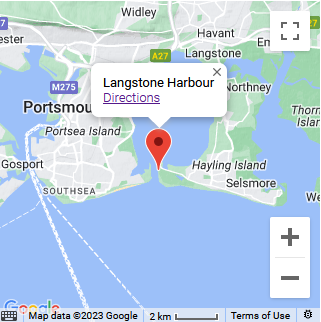
The motion, brought by Councillor Phil Mundy, called for Havant Borough Council to work with Portsmouth City Council to develop regular water quality sampling in order to understand the environmental, health and safety impact within the harbour.

During a statement responding to the motion, Councillor Elizabeth Lloyd, Cabinet Lead for Local Plan, Environment and Water Quality, said: “I can reassure this council, its members and our residents that we are already working closely with the Environment Agency, Portsmouth City Council, Southern Water and the Langstone Harbour Board to ensure our water quality is the best it can be.”

“Portsmouth City Council has already agreed it will take regular seawater samples to monitor water quality and track changes.  These findings will be reported back to the Harbour Board, of which I am a member.  

“We are aware of public concern about the quality of our seawater, especially among water sports enthusiasts and swimmers.  We’re in regular contact with campaigners and have listened to their concerns.

“Together we will continue to protect our residents who use the harbour and hold Southern Water accountable for any prejudicial findings.”

It is the UN Ocean Decade and the tide is turning on Ocean neglect. Our Ocean and climate are in a state of emergency, and whilst many local authorities have already declared a climate emergency, the Ocean is still missing from many of our climate action plans. We want to support local and national governments take action to improve Ocean health.

Call a Motion for the Ocean

More about water testing…………..

In March 2023 Havant Council agreed a full programme of water quality sampling would begin in Langstone Harbour. https://www.havant.gov.uk/2023/havant-borough-council-agrees-motion-continue-monitor-seawater-sampling

As part of the programme, seven sampling sites were identified and water samples taken from those areas are being tested during a 20-week period, to understand what the environmental, health and safety impacts are within the harbour. The samples are being taken by Langstone Harbour Board, who already have a presence on the water, before being taken for independent laboratory analysis.

It was felt felt that monitoring was necessary to ensure public health protection, as the area is popular with water sport enthusiasts who regularly undertake activities such as kite surfing, wind surfing, paddle boarding, kayaking, and sailing.

The council is already working closely with the Environment Agency, Portsmouth City Council, Southern Water and the Langstone Harbour Board to ensure water quality is the best it can be however the councils own harbour sampling programme will provide meaningful results that will serve as judgement to the quality of the water.

Truths & Myths of being a Councillor on Hayling Island

Being a local councillor, whether on Hayling Island or elsewhere, comes with its own set of truths and myths. Being a councillor is a journey not an instant accolade; It takes time to build a reputation and trust in the community.

 Here are some common perceptions and realities:

Truths

  1. Community Impact: As local councillors we have the opportunity to make a real impact on their community. We can advocate for projects, policies, and services that directly benefit the residents of Hayling Island
  2. Decision-Making: We are involved in important decision-making processes related to local governance, including planning, budgets, and services. Budget constraints, and challenging decisions are all part of the job. Not all decisions are popular; council meetings can be lively, with diverse opinions. Finding common ground takes skill and compromise.   
  3. Accessibility: We are typically more accessible to residents than higher-level politicians; able to listen to local concerns and relay them to the appropriate officers
  4. Responsibility: With a responsibility to represent the interests of our residents. We are accountable for our actions and decisions.
  5. Community Engagement: Serving as a councillor often requires active engagement with the community. This can include attending meetings, participating in local events, and responding to resident’s inquiries. Council’s budgets do not run to financing all the projects residents would like. Finding Funds / sponsors for local projects involves much footwork

Myths

  1. It’s Just a Part-Time Job: While being a local councillor is often considered a part-time role, the responsibilities can be significant. Councillors may spend a substantial amount of time attending meetings, researching issues, and meeting with residents. Some Hayling Island Councillors are Cabinet Members and all of us sit on an external body.  
  2. Instant Results: We do not always see immediate results from our efforts. Achieving meaningful change is often frustrating and requires patience and persistence, as well as working within the constraints of local government processes.
  3. Limitless Power: Councillors have influence, but do not have unlimited power. Decisions are made collectively, working with colleagues and officers to achieve their goals. However, not all decisions are made at local level and are subject to central government Planning is a really god example of this:-

Planning

In the U.K. central government has a significant role in influencing local council planning decisions through various mechanisms and policies. The UK planning system is highly regulated, subject to both national and local considerations. Ways in which central government affects local councils’ planning decisions in the UK:

  • National Planning Policy Framework (NPPF)
  • Housing Targets
  • Environmental and Heritage Designations
  • Infrastructure Investment
  • National Infrastructure Projects
  • Appeals Process
  • Incentives and Penalties
  • Planning Inspectorate
  • Policy Updates
  • Funding & Grants
  • Note: penalties or sanctions may be imposed if local councils fail to comply with national planning policies.
    • 4. Financial Gain: Contrary to popular belief, local councillor positions are not salaried but do receive a modest allowance (varying from council to council)
    • 5. No Political Parties: Councillors are usually affiliated to a political party, although there may be some independents. Party politics influence local government decisions and dynamics.
    • 6. No Personal Agenda: While councillors are expected to prioritise the needs of their community, it’s essential for councillors to maintain transparency and ethical conduct.

7. Havant Council receives the full amount of Council tax Havant Borough Council only receives 11% of the total our residents pay. Based on an average Band D property in the borough the total of £2,018.20 you will pay during 2023/24, will go to:

Hampshire County Council receive 72% £1460.25
The Police and Crime Commissioner for Hampshire 13%£ 251.46
Hampshire and IOW Fire and Rescue Service 4%£ 80.43
Havant Borough Council receive 11%£226.06
  

To see how Havant Borough Council spends the £226.06 p.a. click on: https://cdn.havant.gov.uk/public/documents/How%20your%20Council%20Tax%20is%20spent.pdf

In conclusion, being a Hayling Island councillor is a mix of hard work, community engagement and a love of for this unique slice of the world. It is not all myths or truths. It is a rewarding journey that brings its own set of challenges and rewards.

Hayling’s 3 Minute Ferry

https://www.youtube.com/watch?v=jdzQqeuYwQc

The Hayling Ferry is an important transport link between Portsmouth and Hayling Island in Hampshire, England. Learn about its challenges and significance in this captivating journey with James Dunlop MBE.

This a great documentary, outlining the details of the ferry’s 200 year history and the challenges it faces today

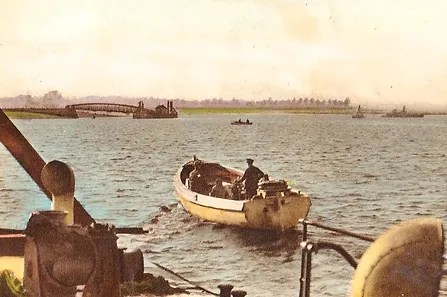
“There has been a ferry in operation between Ferry Point Hayling Island and Eastney Point Portsmouth, for at least 200 years.  Rights to run a ferry belonged to the Lord of the Manor of Hayling Island, the Dukes of Norfolk.

Rowing boats were used until 1901 when the the ferry rights were bought by the Hayling Island Steam Ferry Company, who constructed pontoons, made up the road on the Hayling side, and acquired a small steamer. The service was soon abandoned though due to the unsuitability of the steamer. “

https://www.haylingferrytrust.org/the-hayling-ferry

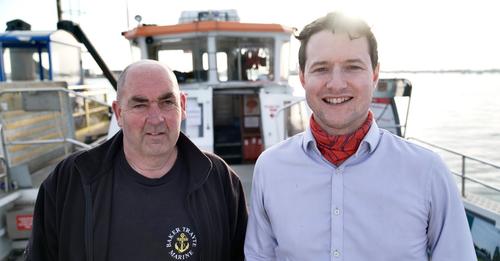
Over the years, the ferry has evolved, adapting to the changing times and technologies; and is now operated by Baker Trayte Marine Ltd, who have been providing a scheduled public route between Hayling Island and Portsmouth since 2016, when the previous operator went into administration.

In 2018, (widely reported at the time), in order to support the ferry service Langstone Harbour Board agreed to reduce its passenger fees by more than 50% as a temporary measure https://www.bbc.co.uk/news/uk-england-hampshire-45458454.amp

At the request of the Ferry, this support was extended for an additional two years, spanning the duration of the Covid-19 pandemic restrictions.  Regrettably, the Board was unable to continue to offer this support beyond April 2022, and passenger fees were restored to the original 2018 level; it has, however, consistently remained open to working with the ferry operator, emphasising data transparency and financial prudence, in order to sustain an affordable service for Hayling Island and Portsmouth residents, we are currently working together to find a solution that is fair, sustainable, and beneficial for the community as a whole.

“The Langstone Harbour Board has a fundamental duty to ensure the well-being of all stakeholders by maintaining the harbour to benefit all users, alongside actively seeking ways to minimise its dependence on public funding. While working with the Hayling Ferry to ensure the continuity of this vital service, Langstone Harbour, in its capacity as a statutory harbour authority, is duty bound to prioritise financial responsibility. and uphold its obligation to maintain a secure and navigable harbour, ensuring the security and satisfaction of all stakeholders. These conscientious efforts are integral to the Board’s commitment to effectively fulfill its regulatory responsibilities.”

Author’s note, I pulled together this post as whilst I was on holiday, I picked up on social media that the future of Hayling Ferry was thought by some to be in doubt, as well as talk of the passenger fee being increased by 366%. I think that the fact that the passenger fee was subsidised for a few years had been lost in the sands of time

Decoding the Planning Puzzle

As you may know ward councillors are informed of planning applications in their ward; we receive information of both planning applications and appeals.

We thought it would be helpful to explore the world of planning applications from the highs and lows of decision making to the concerns of residents! 🎢🏘️

When discussing planning applications with residents, councilors must adhere to specific rules and guidelines to ensure transparency, fairness, and ethical behavior. These rules help maintain the integrity of the decision-making process and prevent potential conflicts of interest. Sometimes councillors have a dual role as both Councilor and a member of the Planning Committee, there is a clear obligation to keep an open mind.

Addressing residents’ planning concerns while avoiding bias is crucial for maintaining trust, transparency, and fairness in the decision-making process. There are strategies that help us when meeting with residents’ without becoming biased:

Avoid biasListen to the residents!
Maintain ConfidentialityTransparency
Avoid PredeterminationKeep clear records
EqualityBe Accurate & Factual
Keep up to dateClear communication

There are a range of rules and regulations that govern the processing and decision-making of planning applications. Our most recent training session in Havant was last month. For Councillors keeping up to date with planning training is essential as well as being familiar with local planning policy and the National Planning Policy Framework (NPPF): https://www.gov.uk/government/publications/national-planning-policy-framework–2

It is essential to acknowledge that the intricacies of planning applications do not always match resident’s requirements. The process involves multiple factors, legal frameworks, and practical constraints. Understanding that outcomes may not always match local preferences is essential in building a constructive dialogue.

To sum up, the planning process plays an indispensable role in shaping the future of our community. It is a delicate balance between accommodating a sense of belonging, growth and preserving Hayling Island’s unique character. Our role is to help towards a fair and informed decision-making process. By being objective, active listening, helps us to engage with residents who have concerns regarding planning applications.

Below is a quick link that will enable residents to follow the process of a particular application.

https://planningpublicaccess.havant.gov.uk/online-applications/

Embracing the Power of Door Knocking: Building Connections as a Councillor

Today, we would like to share a practice that’s close to our hearts it is a fundamental part of a local councillor’s role —door knocking. This simple yet powerful act of reaching out to local residents on their doorstep has proved time and again to be a source of meaningful connections, insights, and positive change.

The Courage to Knock: Door knocking might seem like a daunting task at first. After all, it involves stepping out of our comfort zones and engaging with residents on a personal level. But as we have found in the past, it’s precisely this courage that leads to some of the most rewarding experiences in community service.

A Personal Touch: In a world where email, texting, and other forms of social media rule there’s something personal and friendly about meeting face-to-face. By knocking on doors, we show that we care enough to take the time to listen, to understand concerns, and to offer support. It’s a reminder that real connections are built through real conversations.

A Warm Welcome: Last week we had the pleasure of visiting several new families, all new(ish) residents of Pebble Walk the new housing development of Hayling; considering we just knocked their doors and started a conversation the enthusiasm and warmth we received was heartwarming.

We met individuals from various professions, and walks of life, all with one common thread: the desire to find a sense of belonging and contribute positively to our shared home.

Listening is key, whether it’s about their reasons for choosing our community, their aspirations, or concerns, every conversation provides valuable insights. Helping us to better understand the evolving needs of the community and giving us the opportunity to build trust and advocate for initiatives that truly make a difference.

Bridge Building: We believe that building bridges between long-time residents and newcomers is essential for fostering unity and cooperation. It was great to hear that these new residents felt welcome and were joining in local activities such as supporting the local amateur theatre, or runnng yoga classes in the community centre

Empowering the Community: Giving residents a voice, by door knocking and listening  we hear their opinions  and ideas help to shape the decisions we make as councillors aiming to reflect residents needs

Looking Ahead: As we continue to grow and evolve as a community, we are committed to ensuring that both our newcomers and existing residents feel not only welcome but also integral to the progress we aim for, to make Hayling an even better place to live, work, and thrive.

In the coming weeks, we will be hitting the streets to knock on your doors, hear your stories, and engage in the conversations that matter; residents are the heartbeat of the community and councillors are here to listen.

We would like to say ‘thank you’ to all of you who have taken the time to read our blog, as your local councillors we appreciate your engagement and interest in the issues and updates we share. It’s your support that fuels our community’s progress and makes our efforts worthwhile.

Honourable Havant Citizen’s Award

Havant Council has the ‘human touch’

On 27th July Havant Borough Council agreed to develop an annual award scheme recognising the very best achievements of residents within the borough.

Councillor Leah Turner proposed an annual Honourable Havant Citizen award to recognise the dedication of individuals and community organisations in making the borough a better place.

A cross-party Civic Board will be established – not only to develop the award and its related processes, but also assess future Freedom of the borough nominations.

Councillor Alex Rennie – Leader of the Council – said:

Councillor Alex Rennie – Leader of the Council – said:“There are so many outstanding residents in the Borough that go above and beyond in making our area a better place to live work and visit. I’m therefore delighted to see that residents and community organisations will be recognised for their contributions to making the borough a better place and I welcome this fantastic initiative proposed by Councillor Turner, with cross party support. The wide range of ways in which people help others will be celebrated, highlighting their kindness and dedication to the borough”.

What is a local councillor …: An Inside Look At…

Meet your friendly West Hayling Councillors, Julie Richardson and Brenda Linger both are armed with a passion for their sunny (sometimes) island as local councillors we love the sense of community and improve the daily lives of residents.  

We feel it is important for residents to understand the role of their local councillor so that they can better communicate their needs and concerns. At its very core, the role is about representing people, to act on their behalf in an official capacity and contribute to making decisions that benefit the local area and community

Summary of the Councillor role:

Responsibilities:

  • Engaging with their constituents.
  • Address local issues.
  • Take decisions that benefit their community.
  • Attending council meetings
  • Committee work

Description of the Councillor role: (How we do our work)

Policy Making: Councillors are involved in shaping local policies and strategies. They work with other councillors and council officers to develop plans for areas such as housing, transportation, education, social services, environmental issues, and more.

Decision Making: Councillors participate in council meetings where they vote on various issues, proposals, and budgets that affect the borough. They are responsible for making informed decisions that align with the best interests of their constituents and the wider community.

Scrutiny and Oversight: Councillors play a crucial role in scrutinizing the actions of the local authority. They review council decisions, policies, and services to ensure they are effective, efficient, and accountable.

Community Engagement: This is a vital responsibility of a borough councillor, attending public events, resident’s meetings, and surgeries to interact with residents, understand their needs, and provide support and guidance.

 Supporting Local Initiatives: Councillors aim to support local initiatives, community projects, and events that improve the borough and enhance the well-being of its residents.

Advocacy: Borough councillors may advocate for specific issues or causes that they are passionate about. They work with local organisations, businesses, and residents to promote positive change and address community concerns.

Constituent Services: Councillors provide assistance and guidance to individual constituents who seek help with issues related to council services, local facilities, or government policies.

 Committee Work: Councillors serve on various council committees, where they specialise in specific areas of interest or expertise.

 Community Planning: local community planning is key, ensuring that the borough’s future development and growth are in line with the needs and wishes of the residents whilst meeting the legal requirements of Government.

However, being a councillor is not all meetings and paperwork. One of the advantages of living on Hayling Island is being part of a strong community. There are interest groups to suit all ages. There are numerous voluntary groups who provide important services to the community, from luncheon clubs for the elderly, youth clubs, veteran support groups, horticulture, choirs, and boxing, to name but a few.

Being a councillor isn’t all plain sailing. Budget constraints and balancing different interests can make life in politics challenging We are constantly learning and know that the key to any success is listening, understanding, compromise, and putting the needs of the island’s community first.

On a final note, if you are a resident, and you want to discuss your concerns, ideas, projects or just want to meet us, please make contact, we welcome the opportunity.

We aim to make Hayling Island a great place to live!!

Email:

Brenda.linger@havant.gov.uk

Julie.richardson@havant.gov.uk